Germany: Home Sweet Home

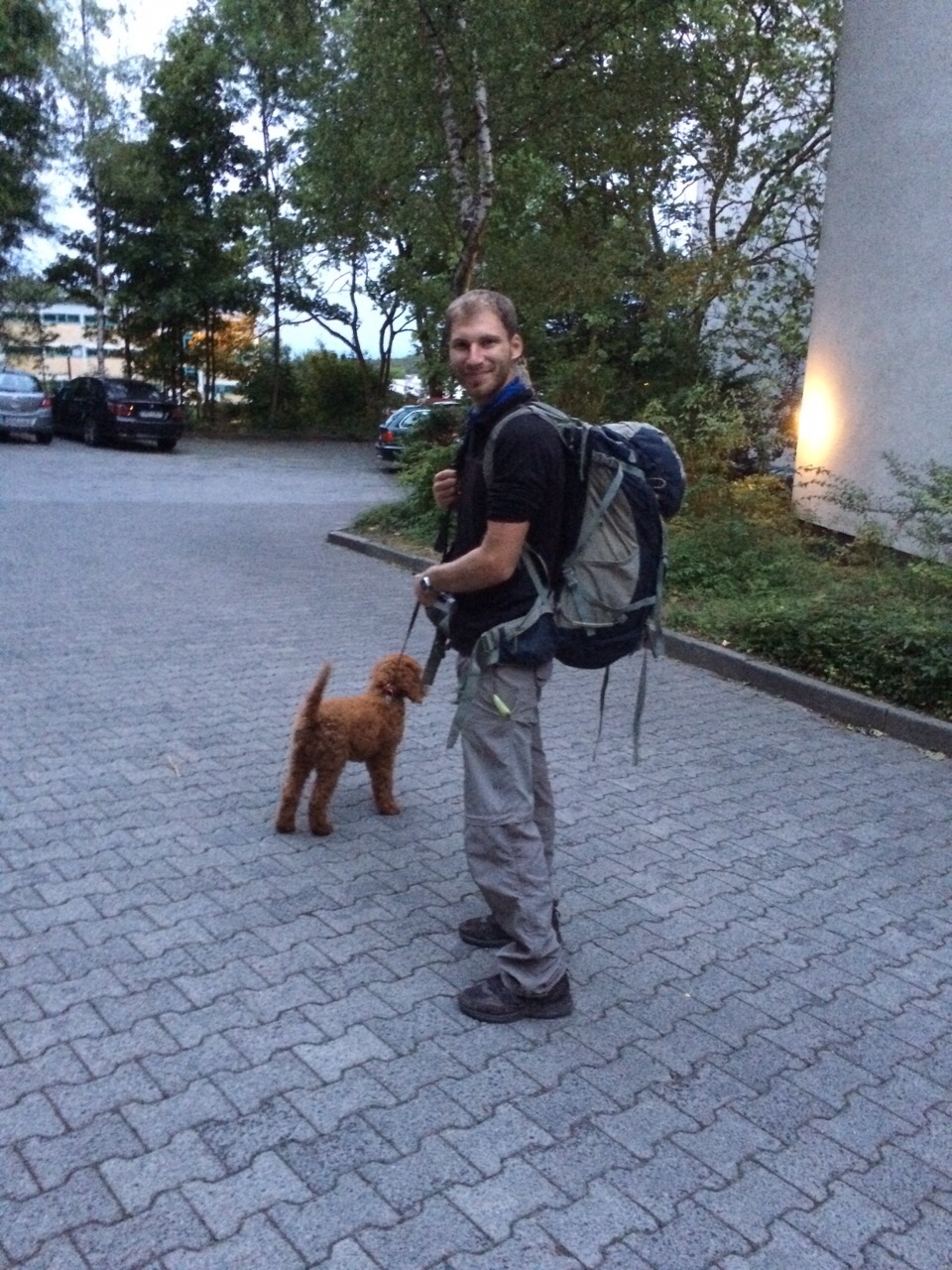
Lenard mit Amos

My dear Followers,

Everything has its time and now it is time for me to go back to Germany. After not getting some visas I decide to fly back home from India. I meet many friends on my trip, I had great and unique experiences. It was an unforgettable time and I’m sure it is not my last adventure. New challenges are waiting for me.

I want to thank all people who support me in anyway like giving me advices, company, a couch to sleep on, and so much more. You made my trip to one of the best experiences in my life. I learnt a lot and I m very thankful for every unique experience and opportunity.

Thank you very much!

I’m looking forward to my next challenge.

Your adventurer

Lenard

Munnar, Mysore and Bangalore

Reading Time: 1 minute

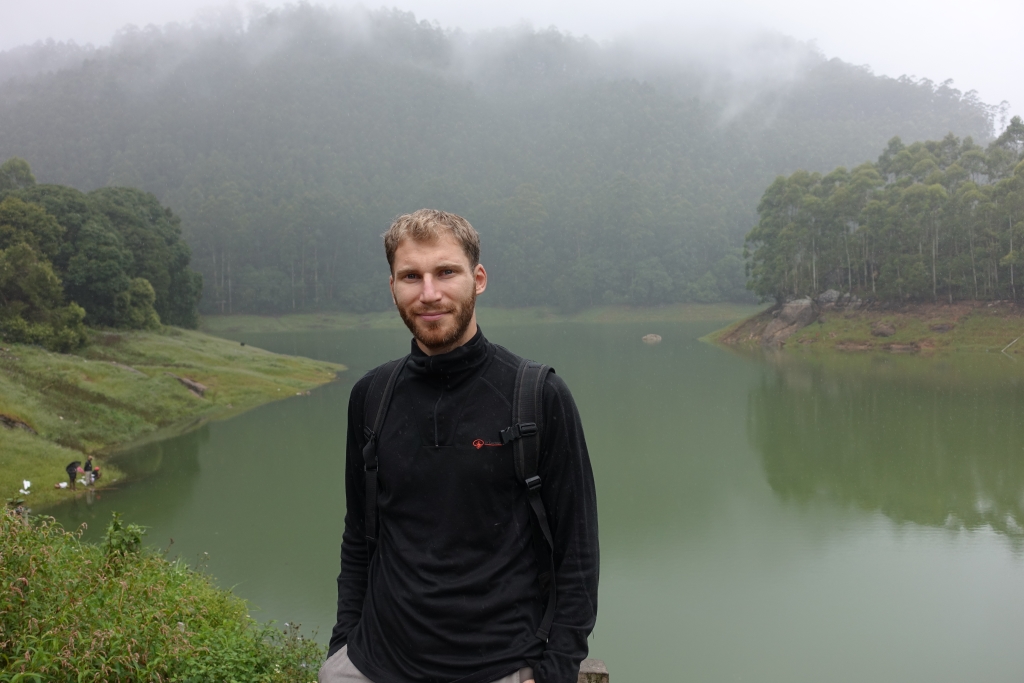
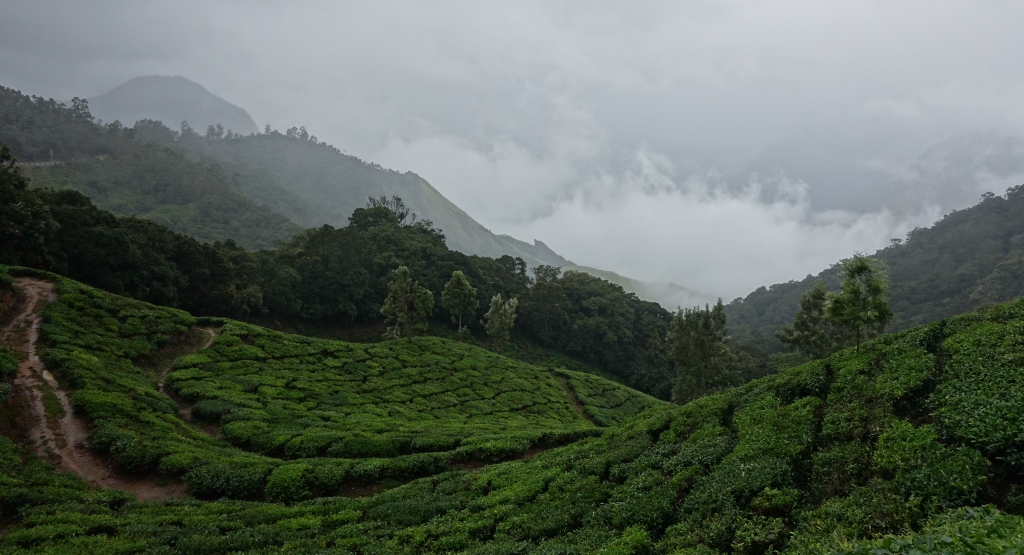
munnar_lake munnar_teaplantations

At my last couchsurfer’s place I meet a German development worker from Afghanistan. Together we take the bus to Munnar, a mountain village which is famous for its tea plantations. The bus need almost 6 hours for just 120 km. But we have good conversations, therefor the time passes quickly. It is very interesting to listen to stories from travelling and working in Afghanistan.

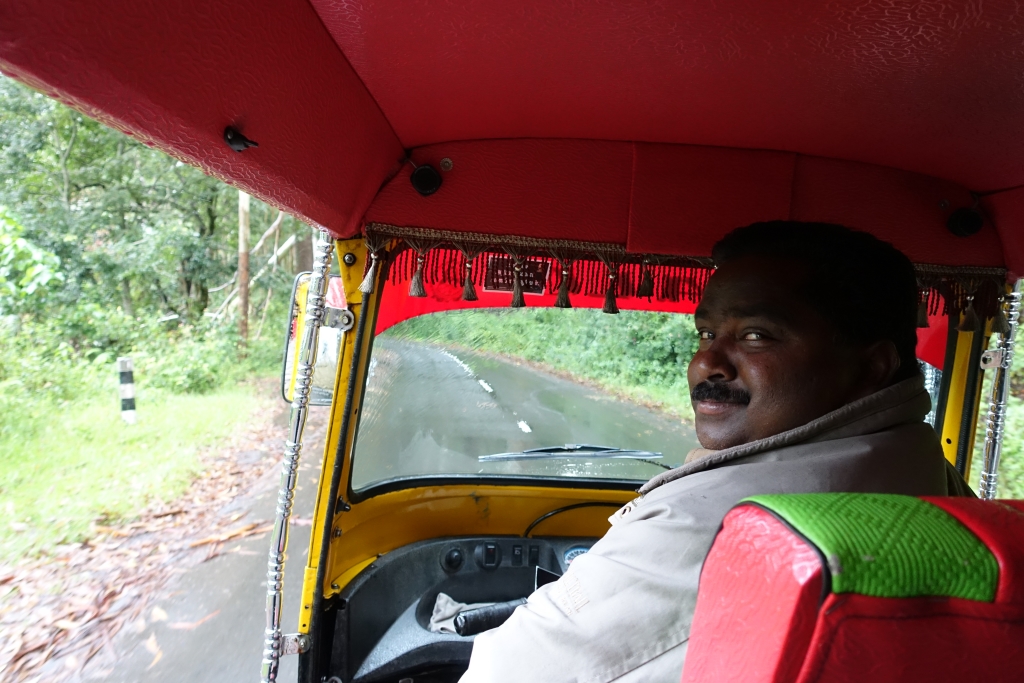
Munnar is situated at 1500 metres above sea level and surrounded by tea and vegetable plantations. You can see for kilometres only tea plantations. The region is green, cool and almost empty corresponding to low season. We get a nice hotel and have to rent a tuk-tuk driver for the next day because all motorbikes are in maintenance currently. The town is small and a local tailor repair skilful my pants. It is always interesting to see handicraftman in developing countries. The tuk tuk ride is better than expected because our driver is nice and explains a lot (different to most experiences with tuk-tuk driver worldwide). He also let me drive his tuk-tuk and it is a lot of fun. We see monkeys, elephants, a beautiful lake and of course a lot of tea plantations.

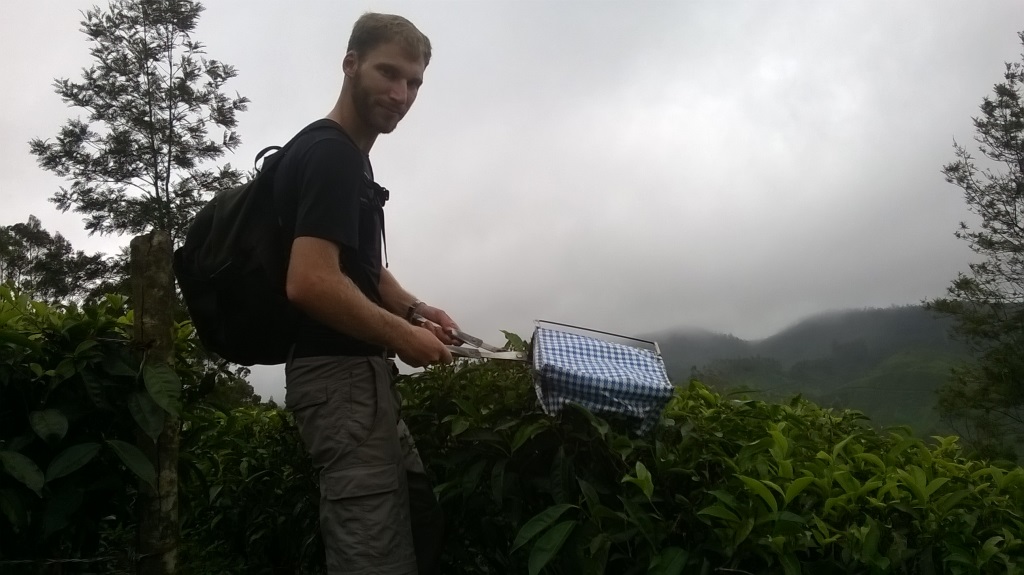
munnar_work

The last day we do a hike into the tea plantations and meet the workers there. Only woman are working in the tea fields. Men are working in the factory or as drivers. The workers are curious and want to be in the pictures. I’m also working just for fun on the tea plantations, ok to be honest only five minutes. 😉

munnar_tuktuk

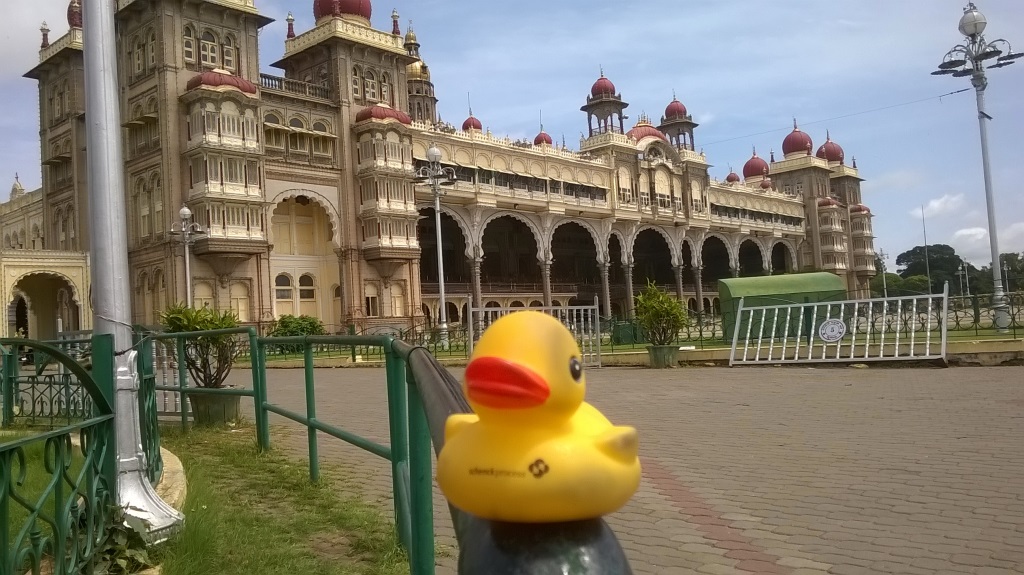
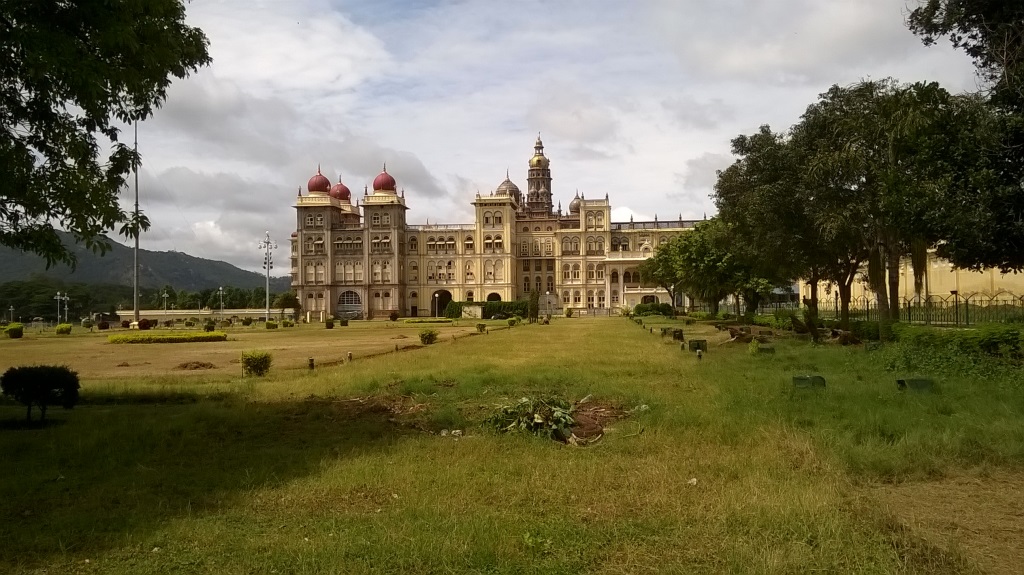
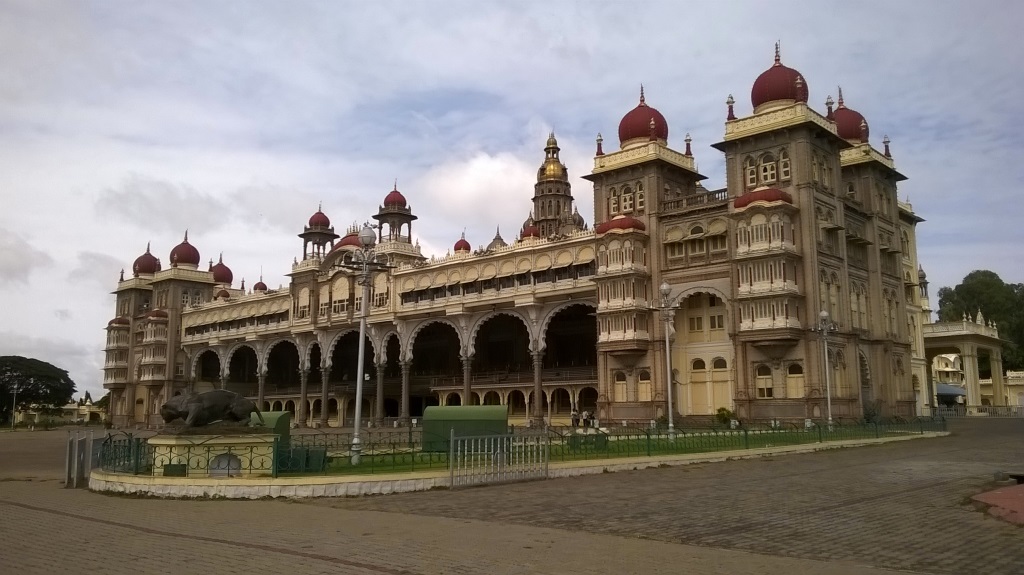
My last stop before Bangalore is Mysore. It is very famous for its beautiful palace and I’m still tired from the long bus ride when I arrive at the entrance gate. I pay the 200 Rupees entrance fees for foreigners and then I stand inside. The garden is huge and again I can see elephants. Furthermore it is relatively empty because the palace has just opened. It is a beautiful palace with great ceremony halls; a lot of wooden ceilings with carvings and a lot of marble. Thus it is not surprising that it is one of the most visited attractions in India.

In Bangalore it is time to rest and visit some friends. I also do couchsurfing again and seek insights about the Indian life.

Mysore_palace3 Mysore_palace Mysore_palace2

Australia – The Red Continent

New Continent, new Adventure: Australia!

Reading Time: 3 Minutes

I have great luck! I have just arrived in Australia and after a quick sight seeing tour through Sydney it is time to leave the city for heading to Newcastle. The background is that I met a couple in Mendoza Ilana and Nate who invited me to spend a weekend with them in the hometown of Ilana. It is suburb of Newcastle and we stay at a friend’s place.

Immediately after arriving we go to the Blackbut reserve where you can see coalas and kangaroos. Usually it is possible to feed them. Unfortunately we come too late and it is already closed. Thus we decide to eat something instead. The people who know me that food can also make me happy. The next day is a big day: Anzac Day, maybe the most celebrated holiday in Australia. It starts early with a dawn service to remember the fallen soldiers in the first and second world war. The location is amazing, directly next to the beach. The sun rises and many people woke up to come here. It is a nice event and I enjoy it. Afterwards we go surfing or rather the group I m with go surfing because I do not have a surf board. Nevertheless I use the chance to take a bath in the sea. In the afternoon everyone goes to a pub to gamble and drink. Australians love gambling and at this day it is legal to gamble in a pub. The game is simple: Three coins are thrown and you choose head or tail. I have luck and win my first 5$. Subsequently we are invited to a houseparty including delicious food. I would stay at each place a lot longer.

I decide to return to Sydney instead of going directly up the coas to see the blue mountains and some beaches in Sydney. In addition I need to plan my trip and internet in Australia is really slow and seldom. I have the possibility to stay at the apartment of Denise, a former colleague who is working there for my former company. Thank you! Some of the pictures are from her blog.

The blue mountains remind me a little bit of South Africa and also of the Grand Canyon. They are two hours away from Sydney and I would go there for hiking but many hikes are not open due to a big storm a couple of days before. The next day I spend at the beaches of Sydney like the famous bondi beach which is touristy but beautiful. Especially the coastal walk from Bondi to Coggee is beautiful. Then it is time to take the bus further up to Byron Bay.


Surfing in Noosa after a Storm

Reading Time: 4 minutes

According to slow internet, I m not able to upload pictures for this article.

Noosa is beautiful; the houses are small, white and clean. There is a lot of nature between the houses and in the middle are rivers. I enjoy walking around. Consequently, I decide against taking a bus and walk to my first hostel which is far away from the center. In addition there is not much to do because it is raining and it is too dangerous to go with kayaks on the river which was originally the reason I have chosen the hostel. I cannot change the weather thus I watch movies with some other backpackers and cook. Nevertheless I always feel a little bit bad if I waste my time in a hostel instead of doing and discovering something. Thus I enjoy the sun and the beach the next beach. Additionally I change the hostel which is pleasant and more like a hotel.

The people are super friendly. The time until check-in I spend by walking along the coast through the Noosa National Park which offers many beaches and the chance to see animals is high. For instance I see a poisonous water snake birds and a coala. The views on the beaches are amazing. From time to time I can see surfers in the sea but the waves are massive due to the storm of the last days. I have to hurry to catch my bus back to the hostel and in the end I have to run. The nice lady from the hostel drives me back and after a short lunch I take the next hostel back to the beach to go surfing. The last time I surfed was in South Africa. It is my second time and I am a little bit afraid of not controlling my board in the waves. I had to ask for the beginners beach and unfortunately there does not exist any beginner beach. The waves are up to 2-3 m high and I decide to stay in the white water. In order of the strong current it is even a fight to go out with the surf board. I like it! In the end I am not really successful with surfing. I think I need some more surf lessons to know more about the technique. Despite I can stand up only a couple of times and fall down directly I have great fun. Then I have to go back to the hostel.

In comparison to South America everything is really early. The sun goes down at 17:30 and most bars close at 24 o’clock. I would like to stay longer but the tour for Fraser Island is booked and the hostel is fully booked out so I catch a bus to the bus terminal.

Before taking the bus to Rainbow beach I need to buy alcohol and it is another first time experience to buy Goon. Goon is a 4 l white wine plastic box for 12 $. I mention this because it is a kind of backpacker culture in Australia especially at the east coast. However, you do not want to know what is in it. Now I am sitting in the bus and enjoy my conversations with a couple of Backpackers. It is crazy how many backpackers are going up the east coast even when it is low season. The next following days I will stay in a bush camp with over 60 other backpackers.


Fraser Island: The Paradise Island of the Aborigines

Reading Time: 3 minutes

I booked a tour with Dingos to discover the beautiful Fraser Island by 4Wd cars. After long safety instructions we can start. Directly at the beginning there are first problems with the car which can be fixed immediately. We take the ferry and are transferred to the Island which consists mainly of sand. The beaches are beautiful but due to the sharks and stingers in the water we are not allowed to swim in it.

We drive along the beach with the cars. It makes great fun even if I cannot drive because my new driver license is still in Germany. I have big luck with my group and we have a good time in the car. In the afternoon we go to a beautiful lake. Fraser Island is one of these places for which you must find new words. It is hard to describe but see by yourself:

The lake is deeper than the sea level and consists of raining water. The sand is very soft. Actually you can use it for a skin peeling. After playing water ball, relaxing and swimming we have to drive through the forest to our bush camp. It is an Aboriginal camp thus we are not allowed to whistle or to split in the fire because it attracts bad spirits. We are told a story in which a German was drunken and whistle and left the camp at night. Then he got attacked by Dingos and climbed up a tree. He fell down and broke his arm and leg. Covered with blood all over his body he creeped back to the camp and need a helicopter. Hence the Aborigines warn us to be careful and nobody of us wanted to risk it.

At our second day at Fraser Island we spend the morning in water pools close to the ocean. When waves come, fresh water sweeps into the pools and it sprinkles like champagne. Thus they are called champagne pools. It is so pleasant to relax in the pools and refresh from the hot sun. Later we climb up a hill to see some sharks. Unfortunately we see only big water turtles. Usually in June it is also possible to see whales. Of course not now, I miss the season by one month like always. After swimming in another lake in the afternoon we arrive back in time for the moon rise. First I thought that it is just a moon but in fact it is a lot more. A huge red moon comes up from the sea. It is bright like a new planet and almost round. If you turn your head you can see a face. It is really impressive.

The last day we hang out at the beach and at a river. However I must have a short bath in the ocean due to its beauty. It makes great fun to do some body surfing but we do not want to go deeper due to strong currents and sharks. Now it is time to go back to the mainland and it feels a little bit like the end of a weekend.


Sailing Tour at Whitsundays

Reading Time: 2 minutes

I arrive in Airlie Beach and it is a small town with two harbors. It is only built up for tourism to the Whitsunday Islands. I arrive in a huge hostel which is unfriendly and dirty. I am annoyed by being charged for everything. However I meet a lot of other travelers from previous stops. One of them wants to go running – it is my first time in Australia to go running. I enjoy it a lot to do sport again.

The next day I go on a sailing trip to the Whitsunday Islands. My boat is the New Horizon and we are a group of 32 young people. Unfortunately mostly are Germans or Swiss. Hence the most used language is German. The first day we just go to a spot where the sea is quiet. The food is awesome and the skipper teaches me about his boat. We can go for a swim and jump off the boat. It is my first time to use paddle boards. All of us have to wear a stinger suits due to the jelly fish. I am a little bit afraid when I first jump into the water with all the animals (sharks, snakes, stingers). At night we see lots of small sharks swimming around our boat hunting.

After a really good breakfast we arrive at the famous White Haven Beach. It is hard to describe, just see the pictures. It is the finest sand in the world. Many international companies are looking to use the sand which fortunately is refused by the national park. We hang around and play water games. It is fun to walk around and feel the sand between my toes. At night we switched off all the lights to see the amazing sky with all its millions of stars.

Another highlight is snorkeling. We have to wait until the small boat gives us a lift to the snorkeling spot. The reef is already part of the Great Barrier Reef and some people also go diving there. The underwater landscape is awesome and the amount of fish is impressive. I see the famous “Nemo” clown fish. Ok to be honest, they feed the fish but it is still impressive to swim in a shoal.

After two exciting days it is time to go back to Airlie Beach and jump into the sea. We get some last minute information about the Whitsunday islands. Then we are ready and head back to Airlie beach. I am only a little bit disappointed that I cannot sail. However in the end I had two great days with a great group, good food and a lot of sun.


Diving at the Great Barrier Reef in Cairns

Reading Time: 2 minutes

After little sleep I have to wake up early to go diving. Like everything in Australia it starts early and in compliance with the German reputation I arrive too early. However I am quite disappointed when I am told that there are only two certificate divers on the boat for today. In the end we are four people but the others have only experienced six previous dives. Consequently we cannot do any fancy dives. The travel agency Peter Pan promised me something different.

Furthermore they asked that I should pay for a guided dive which I refuse. On the other side I cannot go diving alone with a person who has only dived six times. The next idea of the diving company is that the others pay for a guide and I dive alone. In the first diving lesson you learn that you never dive alone. Hence I refuse a second time and tell them I will follow anyway. Finally we do a guided tour at the first dive and I will decide if I am feeling comfortable to guide the second dive without a diver from the company. At least I can say that I have as many dives as some of the people who work there as guides.

The first dive is not special and the deepest is 18 meters. We see many fish but nothing fancy and the dive is pretty easy. You dive along a so called “bumi” which is an underground island maybe at the surface 1 m under the water and at the deepest point it is 13 m. The “bumi” consists of corals which offer an exclusive environment for many fish. Unfortunately we do not see sharks or turtles but the view is amazing and I can get a good impression of the diving skills of the other group members.

The second dive is totally different. This time I can practise my group leader skills. Due to my experience I am feeling responsible for the group. It is quite hard to keep everything under control and at the same time enjoy the impressive underwater landscape. There are many channels through which we can swim. It is just beautiful how the light falls into them and how the corals shine so colourfully. Without any big problems we return to the boat. Afterwards I go snorkeling which is slightly different.

All in all I had a great time at the Great Barrier Reef and sometimes things are a lot better on reflection than you see them at first glance.


Roadtrip Cairns Alice through the Outback

Reading Time: 2 minutes

After travelling along the “East Coast” in Australia I want to go to the centre of Australia to visit a friend. Alice Springs is more than 2000 km away from Cairns. First I want to do hitch-hiking but due to the limitation of time and the long distance I decide to look for other travellers to rent a camper van. Finally I find a campervan relocation which means that a car rental company look for people who drive back a camper van to a certain place. It is for sure the cheapest option and excited I call the people and organize everything. After meeting Reid who has organized the camper van I wait that the group pick me up. I am quite nervous because it sounds too good to be true.

Some minutes after 11 o’clock they arrive in a huge camper van. It is equipped with everything you could imagine, TV, Shower, Microwave. We decide to use only a minimum because we have to clean it afterwards. Our group is internationally mixed and consists of a Canadian couple, a Scottish girl, a French guy, a German girl and me.

The first day we drive to a beach to see Cassowaries which are big birds similar to ostriches. The second day we have to change our route because we cannot drive 150 km unpaved road with a big campervan therefore we have to drive 500 km more. In addition we have bad luck because a stone hits our front window which means we probably have to pay much more money. I wish they have “Carglass” in Australia but in the end the break costs us over 600$ additional. The next two days we drive on long straight roads and come closer and closer to Alice Springs. There is nothing else than our car, the road and the endless desert. From time to time there are cows, or dead kangaroos beside the road. A huge roadtrain sometimes overtakes us or we overtake a roadtrain which can be almost 60 m long. Due to its size they cannot stop and continue whatever is in their way.

We are driving from sunrise till sunset and stop only for lunch, filling up petrol or going to the bathroom. We spend our time by sitting in the bus and play cards, sleep, look into the endless desert and listen to music. All in all it is a new experience to live with five other people in such a small room for 5 days. I think we have great luck to be a harmonic group.

Finally we arrive in Alice Springs. I visit my friend in Alice Springs while the others continue driving to Uluru. On one hand I am sad that the others leave Alice Springs immediately. On the other hand I look back on our great time in the camper van and I am just thankful.


Into the Heart of the Outback: Alice Springs and the Rock Tour

Reading Time: 2 minutes

Why does anybody wants to live in the middle of the outback, why does Alice Springs exist? I ask myself these questions and a lot more. Alice Springs was founded as a telegraph station to connect Sydney with the western world via a telegraph line. The advantage of Alice Springs is that two rivers come together: Charles River and Todds River. However the rivers are dry most of the time in the year. I explore Alice Springs and the environment by bike and have great fun. From Anzac Hill I can see the whole city and a little bit outside of the city, in the desert, I find a good spot to relax and observe a kangaroo family who is jumping around.

The next day my tour to Uluru and Kings Canyon starts. At five o’clock I have to be at a hostel and Laura, my friend from home, is driving me to the meeting point. At night Alice Springs is not the safest place due to many drunken Aborigines. Apparently the receptionist is still sleeping because a bunch of people are waiting for their breakfast. After eating the breakfast the four hours bus ride starts. It is still dark and a little bit cold. Our tour guide Brett is funny and we have immediately a good connection. He is also an extreme sports man who do climbing and apnoea. Furthermore he travelled a lot and knows many stories about the Aborigine culture. I meet a girl in the bus who reads cards and tells me many things about Aborigines. We exchange some travel stories. I m still not believing in the cards and she reminds me to a clairvoyant. However I could learn somethings from her.

The Aboriginal culture is more than 40.000 years old. They are hunters and gatherers. From generation to generation they transfer their knowledge about their culture, how to hunt and how to survive in the desert. Instead of having a written language their stories are passed from mouth to mouth. Depending on the age and personality the elder people introduce the younger more and more into the culture. Aborigines consider “white people” as children. Hence we are told only the first level of culture. Furthermore there is not one language or one tribe of Aborigines. They have more than 140 languages but only 35 languages are still spoken today. The lack of unity is one of the reasons why the Aboriginal culture could not defend against the western one. Today you can see many Aborigines are addicted to alcohol or sniffing petrol. Many of them lost their connection to the nature. We are visiting the Uluru, by Western also called Ayers Rock, which is massive. It is only 300 m high but approximately 6 km deep. It has a high percentage of iron which is oxidised by lightening. Therefore the colour of Uluru is red. It is a very holy place for the Aborigines. We watch sunset and sunrise there and enjoy our dinner.

After seeing some paintings and hiking through the outback we collect firewood. At nights we are sitting around the fire and tell stories. The stars glow extremely brightly and it is possible to see the milky way. At night we are sleeping in swags which are a kind of cocoon of a caterpillar. It is awesome.

The last day it is time again to wake up before sunrise. We pack everything together and drive to Kings Canyon where we want to see the sunrise. The clouds twinkle in different red colours and the stones as well. It is really cool. We are hiking three hours up and down the canyon and our tour guide shows us different plants which the Aborigines use. On the way back to Alice Springs we stop at a camel farm where we can also see dingos and kangaroos. At the evening we eat together and enjoy the end of the evening in the rock bar.


Argentina and Chile

Atacama Desert Activities

Reading Time: 2 minutes

One day before, I drove from Uyuni to Calama and then to San Pedro de Atacama through the Atacama Desert: I saw endless red sand, high mountains with white summits, a few canyons, the sunrise and a sunset. It was beautiful. The bus drove through the “valle de luna” (moon valley) because it looks like on the moon. It was the reason why I wanted to go to San Pedro but now I have seen it. Thus what to do today?

Actually I have a plan; I rent a bike and start for a desert tour before sunrise. It is still cold and dark and I am happy about my head lamp which they lent me in the bike rental shop. The asphalt road ends and a dirt road starts. My bike is old and the gears are useless. However it is really adventurous. I am alone in the desert and I am not sure if the way is the right one. The sun rises. It is impossible to describe the feeling when you are alone in the desert and the sun rises. Imagine how you would feel.

Finally the way is right because I see the sign “Laguna Cejar”. This is my first target today and I reach it one hour before it officially opens. 30 Minutes are free (without shower) afterwards it costs more than 20€. Laguna Cejar is a lake which consists of more than 20% salt. Hence it has a higher percentage than the death sea. Due to the high percentage of salt you swim on the surface and can read newspaper or make pictures (like I do ;-)). It is a cool experience.

After a breakfast and a shower at my hostel I ride to my second destination today. It is the “valle de muerte” in the north of San Pedro and has many mountain bike trails. Except a river everything else is very dry. The rock formation reminds me to some places in the desert of Utah (USA). Sometimes I have to carry my bike on the devil trail (I changed the bike into a better one for the second part of my bike tour which was definitely the right decision). I am wondering why I meet nobody. Maybe it is too hot. I follow the trail. Although I have a little map I feel lost. The trail seems endless and finally splits. I start driving on a mountain. Due to the directions and some tracks in the sand I decide for the right way and come back on the main road. What an amazing trail, very tough and lonely. Then I ride my bike back to San Pedro because my target is to get a lift to Argentina today. In the end I fail but this is another story.


A theft in Buenos Aires: A good day for a thief

Reading Time: 3 minutes

Again no pictures and no videos, also no eyewitnesses…Actually I have already written some other articles which I cannot publish anymore but maybe this is even more exciting: Here is my story:

I have just arrived at the bus terminal in Buenos Aires. On the way, I could see some parts of the city. We drove through a shabby area but I was still sleepy. Thus I did not pay attention. It was a long over night bus journey from Mendoza.

Now I walk along the ticket offices and compare prices for bus tickets to the famous Iguazu waterfalls. I find a cheap one-way ticket (80€) and wait in a chair. Eating my sandwich from the last day I start waking up slowly and decide to read while waiting for the bus in two hours. My luggage is next to me and I have a good view to the bus track. Suddenly a woman starts talking with me and gives me some money which is rolled together. She tells me it would belong to me. I wonder and I even wonder more why she is going away so quickly. While I am counting the money which are the smallest bills i look on my other side and see that my black daypack is vanished. I run to the next police officer and explain the situation in a broken Spanish. Instead of doing something he asks me always the same question. I explain him that my travel money for one month in cash (normally I have no cash but in Argentina exists a blue market), laptop, visa card, passport and a lot more were in the backpack and he should do something. Finally I run through the bus terminal looking for the woman but of course, no chance. I ask the people sitting directly next to me, if they have seen something. „No“ Impossible! I feel like the biggest idiot, a victim, I am extremely angry on myself. How could that happen? Me, an „experienced“ traveller….I only hope that the money will be used for education and usefull things, then it is at least a little bit like development aid.

At the police station I called my bank, the embassy and my parents. Fortunately, I have a second passport (which is full and can only be used as identification but better than nothing). I arrange money transfer by western union. My parents are extraordinary. Furthermore a police protocol is important for the bus company, the embassy, insurance if you have some (I do not have one).

Embassy: The woman at the front desk was not very polite. However the woman at the phone and another one I meet later are even more helpful. All in all a good job of the embassy, I get a temporary passport the next day. (Costs: 75€ incl. pictures)

Bank: I block my visa card and ordered a new one. It is not possible that the bank send a new one abroad. Usually you get only a provisory credit card with which you can only pay but not withdraw. In my case this option would be senseless. I have luck that a good friend will visit me soon.

Other documents: It is really difficult to get a new driver license. I hope to get a new one but it will take months.

Finally many people help me in the situation and I can sleep at Malte and Fenna’s place, friend of friends. I am very thankful to have good friends all over the world. Thank you very much! A special thanks goes also to my old company Schenck Process which supports me with a laptop.


Hitchhiking in Chile and Argentina

Reading Time: 2 minutes

Unfortunately, I cannot provide pictures for this story…Anyway after my adventures in San Pedro de Atacama it is already afternoon and I try to hitchhike to Salta in Argentina because the only bus is full. Hence I stand on the road together with two other hitchhikers and soon I realize that it will be difficult challenge. There are no cars or trucks to stop. Only the sun shines without mercy. After a while a truck stops for a break and we use the chance. However there is space for one person and the Argentinian girl has to get her flight tomorrow from Salta. We, two german guys, continue waiting and instead of more trucks more people come who want to hitchhike. Our chances get lower and lower. After 4 hours it gets dark and we give up for today.

The next day at 6 o’clock I am the only one at the road and there are many trucks making a break or the truck driver even sleep. I do not want to stay forever at the road so I knock on the door and finally a car truck gives me a lift. The best is I can sleep in one of the cars which are in the back of the truck. Slowly the truck drives up the mountain pass. I enjoy the view on the red desert mountains, which have all a white snow nose on the top. I see some flamingos. The sun rises more and more and it is really cold in the car. The window is open and we are now on over 4600 hm. I hope it goes down soon.

When I wake up we are at the border and nobody is in the truck anymore. Quickly I leave the truck and go to the immigration office where I meet other hitchhiker colleagues from the day before. The border control tells me friendly that he will not let me cross the border without a vehicle and I ask a Chilean family for a lift. I have luck; immediately they say yes and instead of only crossing the border, they give me a lift to Salta (6 hours drive). They offer me food and juices. More luck I cannot have. We pass salt lakes, high mountains. Then the landscape changes again. Now the rocks of the mountains are green. The deeper we come the more plants grow and becomes even greener and greener. Happy but tired we reach Salta. To find a hostel or supermarket are no challenges anymore.


Iguazu – Massive Waterfalls and the Long Way Back

Reading Time: 2 minutes
I have already bought my bus ticket to Puerto Iguazu (with the massive waterfalls) which is close to the Paraguayan and Brazilian border. There are the broadest waterfalls in South America. The waterfalls are in a national park really close to Puerto Iguazu and lay exactly between Argentina and Brazil. The highest waterfalls are around 82 meters high. The impressive waterfalls consist of more than 275 single waterfalls. Before I can enter the bus to Iguazu my bag is stolen. Thus I have to spend two days in Buenos Aires and a lot of organization work to do. Anyway two days later it is time to get the bus to Puerto Iguazu.

After 18 hours the bus arrives in Puerto Iguazu. I walk to a hostel which is unfortunately full. In the end I find a place in another one and decide to go directly to the national park with the next bus. The park entrance is expensive (around 26€ for foreigners). Due to the large amount of tourists each day the park company built a slow train for transportation in the park. It is funny but very touristy.

First, I decide to see the waterfalls from above. It is beautiful and the amount of water which falls down is incredible. I have already been at the victory falls but here it is almost possible to touch the water and here are a lot more waterfalls. I get completely wet which is not the worst due to the hot temperature.

Second, I walk to some smaller waterfalls which are not so big but there are also less people. Finally, I watch the large waterfalls at the bottom which is a totally different view. If you want to have an adventure you can drive with a speed boat extremely close to the bottom of the waterfalls. In the trees of the national park you can see some birds like the toucan which is a colourful and beautiful bird. In one of the rivers I can see a crocodile. The wildlife is impressive especially for such a crowded place.

Another day I visit Brazil and Paraguay for one day but in the end the best activity is too leave Argentina and get stamps in my passport. The reason is that my new passport has had no immigration stamp from Argentina before because it is issued in Buenos Aires. Now I m sure I will not have any problems at the following borders. At the hostel the people are really nice. I m always surprised of the kindness of Argentineans. We share food and exchange travel stories.

The third day I want to return to Buenos Aires by hitch-hiking. Unfortunately it is not as easy as everyone told me. I wait from 8 o’clock in the morning until 16 o’clock and it is very hot. Hence decide to take a bus to the next provincial capital and try my luck there. After two hours without luck there, it is 21 o’clock. I have sunburn, am hungry and I stand next to a highway where not even the buses stop. I do not know what to do: If I go to the next hostel I do not have enough money for the bus tomorrow and I doubt that I am more successful in doing hitch-hiking tomorrow. I decide to walk to the next church and ask for help. This experience is also an important lesson that sometimes not everything is possible and you need to ask for help. The people help me to find the next bus stop and offer me further help which I refuse. At 23 o’clock I am sitting in the bus to Buenos Aires and look forward to my dinner in the bus.


Ushuaia – The End of the World

Reading Time: 4 minutes

The plane is shaked by turbulences. We are really afraid. Subsequently, we are extremly thankful when the plane lands. The landscape I have seen from the air is incredible but the view from the ground is even better. We (a good friend and I) are just landed in Ushuaia, the southest city in the world due to good marketing. Puerto Williams (a city in Chile) is more south. A friend joins me for one month in Patagonia.

The first day we are a little bit tired due to the flight and the different weather. Thus we sleep for a couple of hours and just walk around in the city. The next day we have big plans we want to hike to the lagoon Esmeralda. We take a bus to the end of the city and hitch-hike there. Due to the fact that we are three people nobody takes us. Hence we split and soon a Chilean guy gives us a ride. He is owner of a sailing boat which takes tourist to Antarctica. Furthermore he gives us an overview and offers us to do a daytrip with him to the end of the beagle channel. The landscape is beautiful, maybe one of the most beautiful places I have been. High mountains, yellow grass fields and green forests, the colours are intensive. Furthermore there are plenty of rainbows per day. It sounds like a fantasy place but it really exists and we are there at the moment.

We exchange stories with the sailor who is originally from the Easter Island and has worked as miner and mechanic for aircrafts. Since 2006 he has lived in Ushuaia and now he lives there with his German wife and child. At night he invites us for dinner and shows us a movie how he sailed around the world. It is really interesting.

The following day we try again to go the lagoon Esmeralda. The weather is not good today: rainy and cold which is typical for Patagonia. However after 40 minutes we find a person who drives us until the entrance to lagoon. We decide to take the smaller path which is free and walk 2 hours. The way is beautiful and empty. We pass beaver’s lodges, yellow grasses and forests. Suddenly after a curve, we see the beautiful green and blue lagoon Esmeralda. Due to the weather conditions we do not stay too long. After eating our sandwiches we return to Ushuaia. An Argentinean woman called Edelweiß who has roots in Italy (which is quite common in Argentina) gives us a lift back. With regard to two men (us) she asks me a little bit afraid but also with a blink whether we would kill her…of course we do not! After walking to a glacier we end the evening celebrating St. Patrick’s day in an Irish Pub.

At the third day in Ushuaia we visit the national park Tierra del Fuego. In comparison to the other two days it is a little bit less impressive but more sporting. In total we walk more than 20 km in the park. I can highly recommend walking the coastline path which offers beautiful views on the mountains as well as the Beagle channel. On the way back to Ushuaia we have big luck. Exactly before it starts raining a couple (on their honeymoon) picks us up and drives us until the city. Obviously, I really enjoyed the time in Ushuaia and I m sure that I will come back one day to go to Antarctica from here.


Torres del Paine – A Pearl of Nature

Reading Time: 3 minutes

After two hours by bus from Puerto Natales we reach the entrance of the national park Torres del Paine. In compare to Bolivia the mountains are small (approx. 3000m altitude). There are two ways in Torres del Paine for hiking: the “W” and the “O” circle. We decide for the “W” due to limited time and the weather. We pay the entrance and have to look an information video, then we are allowed to enter the pearl of nature. The first 7 km we skip by standing on the back of a pickup due to a boring bad road.

At the campsite we meet again a German couple which we have met in the bus before. After having a small breakfast and built up the tent we walk with them up to the “Baso de Torres” which is viewing point at a lagoon directly below the Torres towers. From time to time a piece of ice from the glacier falls down the rocks. The sound is loud like a jet. Very impressive! The way back seems endless. In the evening we use the first time our camping gear and are thankful for some advices from our neighbours. Unfortunately, we only have sleeping bags for summer; therefore it is really cold at night. At the second day we have extremely luck with the weather and the torres towers glow red during the sunrise. We pack together our equipment and start. Although we have to carry our heavy backpacks with all the food, we are highly motivated. The landscape is beautiful. On the right side are the mountains; on the left side are lakes which sparkle in the sun. We pass burned forests, fenlands and grass fields. Then we arrive at our camp for today. We are relieved not to carry our backpacks anylonger. I decide to run up to the glacier which is the right decision due to the incredible view. I enjoy the sun and the panorama. However, the bath in the glacier river afterwards is one of the coldest in my life. Fortunately it is not too cold at night. We wake up before sunrise and leave the camp early. We want to finish the “W” and leave the national park today with regard to the bad weather forecast.

After two hours we arrive at the camp where we want to leave our luggage. The price is ridiculous high for a luggage storage at a camp site (6€). Consequently we continue hiking with luggage. In total Torres del Paine is definitely a more expensive national park than others in Chile. However it is worth to pay the price for this pearl of nature. When we arrive at the first viewing point we divide ourselves and I run alone until the glacier lagoon Grey without luggage. Spectacular! Subsequently I return and we enjoy the last sun rays before taking a catamaran boat back to the bus terminal. We leave the national park while the sun is going down.


Carretera Austral – Wildness, Loneliness and Adventure

Reading Time: 3 minutes

After hiking in El Chalten (around the area of Fitz Roy) we hitch-hike north through 700 km of desert to Chile Chico. We decide to continue our trip at ruta 7 also called carretera austral in Chile due to amazing panorama landscapes. The carretera Austal is approximately 1350 km long and goes from Villa O’Higgins to Puerto Montt. It is the only road in Chile for us to go north. The roadwork starts in 1976 and is still not finished which we also have to experience.

We start in Chile Chico a town at a beautiful lake and have to change our plans directly because there is no bus at Sunday. Hence we take the ferry to another place and take a bus there. The lake lights up green-blue in the sun.

Buses do not go regularly at the carretera austral, sometimes only once a week. Thus we decide again for our most convenient transport type. However we are almost ready to give up when a nice man stops and offers us a lift. Hitch-hiking is the best way to travel regarding my Spanish skills. I practice a lot and learn a lot about the region, the people and the culture. However after the next hike we are really in the middle of nowhere. No cars for at least 30 minutes and the asphalt road stops. We are surrounded by mountains and it starts raining. The wind is strong and I am freezing. Then two ambulance coaches stop. Unfortunately we cannot get a lift because they transport an infected person and we renounce voluntary. Finally, a truck stops and we use our chance. Apparently he likes techno music and speed according to his sporty drive style.

In addition he is chain smoker but he is also a funny and cool guy, so I do not want to complain. The road consists of mud and stones and nothing more. Hence we are really afraid and try to concentrate on the landscape which reminds me to some jungle regions I visited before. After one hour driving the road is blocked (the whole afternoon) because of a blasting to build parts for the new road. Afterwards we can continue our journey. The road goes through a landscape which you see normally only in storybooks. It is impressive. Then it gets dark and cows sometimes run on the road. This time it reminds me to some remote areas in Africa. Distances are extreme in Patagonia. In the city Villa St. Lucia we stayed in the only open hostel which is not more than a ramshackle hut.

The next day it is still raining and due to a lack of a bus we wait for cars. However in the first three hours there is not even one. Can you imagine our motivation? Furthermore there is nothing in the village. We thought we were in the middle of nowhere yesterday but seriously today the situation is even worse. We also need a bank but in the end (in the afternoon) we have luck: three cars later we are in Argentina and enjoy a hot shower and a good meal in the hostel. If I do the carretera a second time then I will ride a motorbike or have an own car. All in all the landscape is incredible and there are a lot of empty beautiful places.


Patagonia: The End of the World

Reading Time: 2 Minutes

It is hard to describe the last couple of weeks. I experienced a lot and spend many hours on the road. I travelled together with a good friend of Germany. Sometimes we had extremely luck, sometimes we had to wait hours on the road. We saw beautiful nature. Sometimes the desert was just boring. One thing is sure, Patagonia is huge and it can be really confusing if you travel 1000 km and the landscape or weather does not change.

How would I describe Patagonia in three words?

Wild Nature Everywhere

Serious, in Ushuaia you have mountains; afterwards there is almost nothing except desert until Bariloche. In Chile there are mountains again like you can see on pictures of Torres del Paine. In the north of Patagonia on the carretera Austral, there are rainforests in Chile (However it is still cold). You have huge glaciers in El Calafate and El Chalten, beautiful lakes in El Bolson and Bariloche. The people are friendly and less afraid of foreigners (I guess they are quite used to them) than at other places in Argentina.

Life in total is very expensive in Patagonia, but there are many outdoor activities and for sure it is one of the most beautiful regions in the world. The most convenient way to travel around is by bus. Unfortunately I could not discover a special Patagonian dish. Maybe I can say that it is meat like everywhere in Argentina. In Chile you can find everything from Pizza to Chinese food. But to be honest most of the time we cooked by ourselves. The nights in hostels are between 14-20€, sometimes they are cheaper and the quality varies from shabby unclean hostels until friendly clean hostels with amazing people.


5 interesting facts you should know if you like to travel to Patagonia:

  1. Only travel to Patagonia if you want to have outdoor vacations
  2. Bring warm clothes with you. You can buy clothes there, but everything is more expensive than in Germany
  3. Calculate with long distances: Roads are not always paved. Thus even small distances on the map can take a long time, therefore you should bring time with you (at least 3 weeks)
  4. Visit Torres del Paine and El Chalten
  5. Bring a lot money with you and use the blue market in Argentina to change money from Euro or Dollar in local currency (Argentinian Pesos).


Travelling in Chile: Nature and City

Reading Time: 4 minutes

Travelling in Chile is special. It is 4300 km long and has a unique position in South America. In the north, there is the Atacama Desert, in the middle Chile has big cities like Santiago and Valparaiso and then you have mountains and nature until the southernmost point. I have already reported from the southern parts of Chile like the national park “Torres del Paine” and “Carretera Austral”.

In the last couple of weeks I have seen that also parts in the middle of Chile are very beautiful. A perfect example is Pucon. Unfortunately the volcano erupted a couple of weeks ago. Thus it is not allowed to climb up to see Lava. However there are many other beautiful places around like the national park Huerquehue. If you climb up until the top of its mountain San Sebastian you can see 10 volcanos and have a beautiful round view. The nature is totally different there. Consequently at the mountain plants are growing which I have never seen before.

Chile has not only beautiful nature, it offers also beautiful cities like Valparaiso which is in my opinion the most beautiful city in South America (I have not seen Rio so far ;-)). At my first day there, I decide to do a free walking tour to discover the city: Valparaiso is a harbor city which welcomes their visitors with beautiful colored houses. In addition it has beautiful spots to observe sea lions or you can go up the hill by using lifts called “Ascensor”. I am also impressed by the elaborate graffitis at the walls. Behind every corner there is something to discover and it makes great fun to walk around in the city. One of the most famous tourist attractions is the house of the famous Chilean poet Pablo Neruda. From his house you have a beautiful view all over the city. Famous dishes in Valparaiso are “Completo or Italiano” which is a hot dog with Avocado and Empanadas which are buns filled with cheese and vegetable or meat. In contrary to my normal habit to stay in hostels I decide to do Couchsurfing which was a really good decision. At my host Natalia I could experience the Chilean culture.

My last stop in Chile is in Santiago. I m very happy to spend my last days in South America with friends I met in Bolivia. Together with my friends I discover the city by bike and suddenly this huge city (population: ap. 8 million) is not big anymore, almost everything is reachable. I have the chance to learn more about the history in Chile, especially about Pinochet and Allende. For instance we are visiting the museo de la memoria y los derechos humanos which shows impressively how important human rights and democracy is. Many people I met do not like Santiago, but Santiago offers a lot: churches, antique houses, parks, fancy streets which look similar to places in London, Paris or New York. Two of my favourite places in Santiago are the hill San Cristobal and the hill Santa Lucia from which you have nice views over the city and the mountains behind.

At this point I want to thank my friends in Santiago especially Branko and Benjamin for everything they have done for me. I have a great time in Santiago.


Continent Change: Goodbye America

Reading Time: 1 minute

After travelling almost six month in North and South America, it is time to leave the continent. I have seen many places, meet many people, found many new friends and made many new experiences.

I travelled from New York down until Ushuai. More than 11.000 km by linear distance, 16 different countries; hundred of buses and hitch-hikes, and ship, two short flights. I discovered the jungles and beaches of Central America, the mountains in the Andes, the deserts in Peru and Chile, the waterfall and wine regions in Argentina, the beautiful landscape in Patagonia and I am still not tired.

South America is not a continent which is easy and cheap like Asia but also not difficult like Africa. The distances are long; the roads are (mostly) bad. The people are warm and friendly. The travelers are older than in other regions of the world. It is sometimes a little bit dangerous due to more weapons. The attractions are often in the nature like ruins, waterfalls, volcanos. In general I would say that cities in South America are huge and less interesting than the nature it offers. (Of course there are exceptions like Buenos Aires.) Hence there are plenty of activities to do in South America. I can only recommend to figure it out by yourself.

What are my strongest impressions?

I feel that it is unfair to name now single places due to the variety of them. However it is not the activity at one place what makes it special rather than the people I meet. Hence countries like Bolivia or Guatemala where I spent more time will keep more in my mind than countries like Peru or Costa Rica. I want to thank all the people I met on this wonderful colorful and happy continent who have enriched my time here. In order to learn more this continent also shows how a useful a negative experience can be. In the end I have learned to be optimistic and open-minded and everything will come as it should (earlier or later). Trust yourself!

Thank you South America!
Visiting an Active Silver Mine in Potosi

Reading Time: 3 minutes

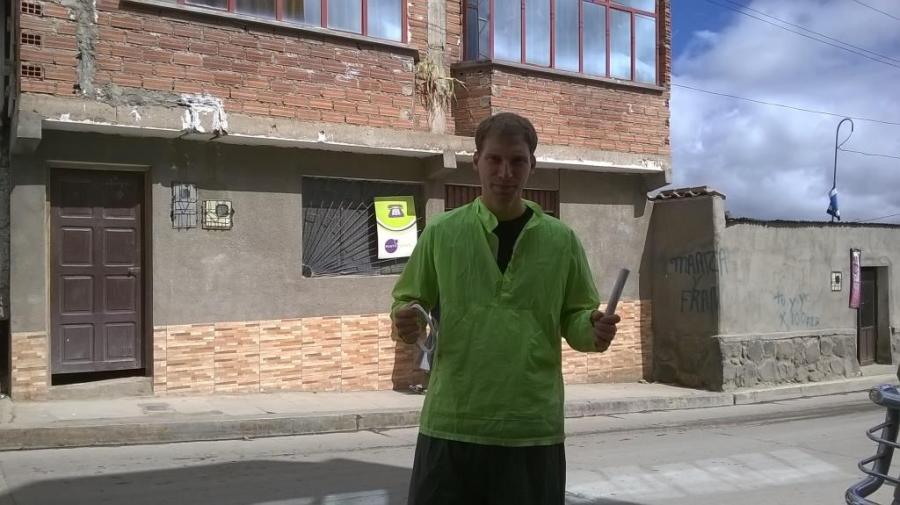
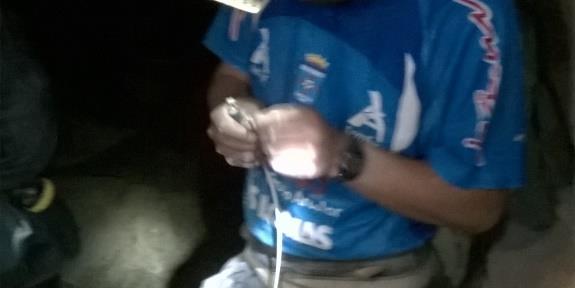
Buying-dynamiteon-minersmarket-900x505 DynamitePreparation-575x288

No Joke, it is really possible to visit an active silver mine in Potosi. After an odyssey through Bolivia (La Paz-Cochabamba-Oruro-Potosi-Sucre-Potosi) we finally arrive in Potosi at the late afternoon. This time we find a good hostel and visit the city subsequently. Potosi is a mining city. Thus it is not surprising that mines are the top tourist attraction. How can I visit a mine? Nothing is easier than this. Just go to the next travel agency and book a tour. Yes, serious most of the travel agencies in Potosi sell tours into active mines.

The next morning the tour starts at 9 am and we get our equipment: Boots, lamps, jacket, pants. Then we drive to the miners market to buy presents for the miners like coca leaves with catalyst, 95% alcohol, dynamite (yes, you can buy it without licence here), cookies, cigarettes,…

Our guide tells us why these things are important. In the mines of Potosi more than 1000 miners are working. They are organized in collaborations and work for themselves. Hence they have to buy their own equipment and everyone with a licence from the government can work there, even you and me. The coca leaves are like food for them, they work sometimes for more than 24 hours in the mines. The alcohol is for the devil in which they believe. If they give him something pure he will give them pure minerals. However the job is really dangerous: In average there is one deadly accident per day. The average life expectation is 35 years and sons replace their fathers when they are still children.

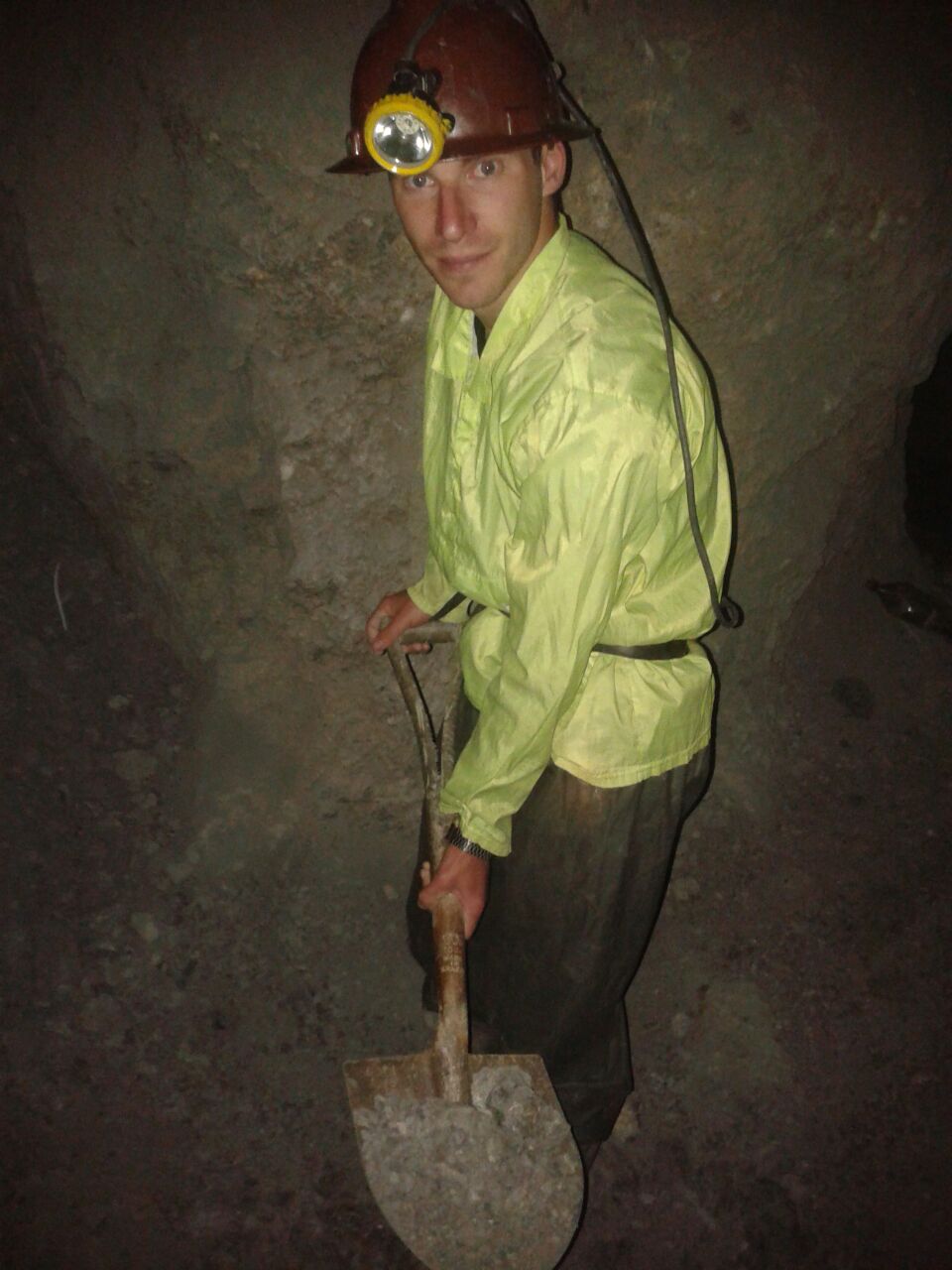
Work-in-Mine

I enter my first underground mine. I have worked in the mining industry (dual study program) but something like this would be impossible somewhere else. The mine is tight and very wet. The tunnels are stabilized by eucalyptus wood. We follow the main tunnel. One person exists in every collaboration who is responsible for the stability of tunnels. Sometimes the wood is almost broken then we have to walk faster. There are air chimneys and electricity cables. With regard to carnival the mine is quiet. No miners run around with barrows. There is a museum which shows how it was worked in former time: The Spanish conqueror forced the Indigene people to work 6 month in the mines without coming out. Most of the miners suffer diseases after the first 5 years. Apparently, I can understand it, even now it is not easy to breath. We have to climb up some ladders and see silver veins. Then we reach the exit and are blended by the sun. After the eyes get used to the sun light we have an impressive view on the mountain called Cerro Rico and over the city.

It is time for the second mine, a smaller one, but more busy. Workers run around. We have to make space for them. Despite all of us walk bended over, we are hitting our heads at the ceiling. I can smell the dynamite. From time to time there are holes in the ground. We help a woman to climb over such a hole. Suddenly the others are vanished and we (3 people including me) are left back. We call names and go forward until the next fork. Then we decide to wait. The guide fetches us after some minutes and gives rise to a certain amount of relief. We see miners work and are also allowed to work a little bit. After a short time I return the tools, it is too exhausting and dusty.

The miners use pickaxe, hammer and bucket. Furthermore we visit a miner who wants to blast stones away using the dynamite we have bought on the market. It is totally silent while he prepares the dynamite. A dangerous moment but our guide promises us he is an expert. Well! After preparation he puts the dynamite in one of the prepared holes and we have to go further away. We cover our ears. 1.2.3 minutes are gone and we are still waiting. It has not worked. The miners have to wait at least one hour before they can go back. What an experience? We leave the mine and return to the city, but I can still feel the adrenalin in my body.

Mexico – Illegal in a beautiful country

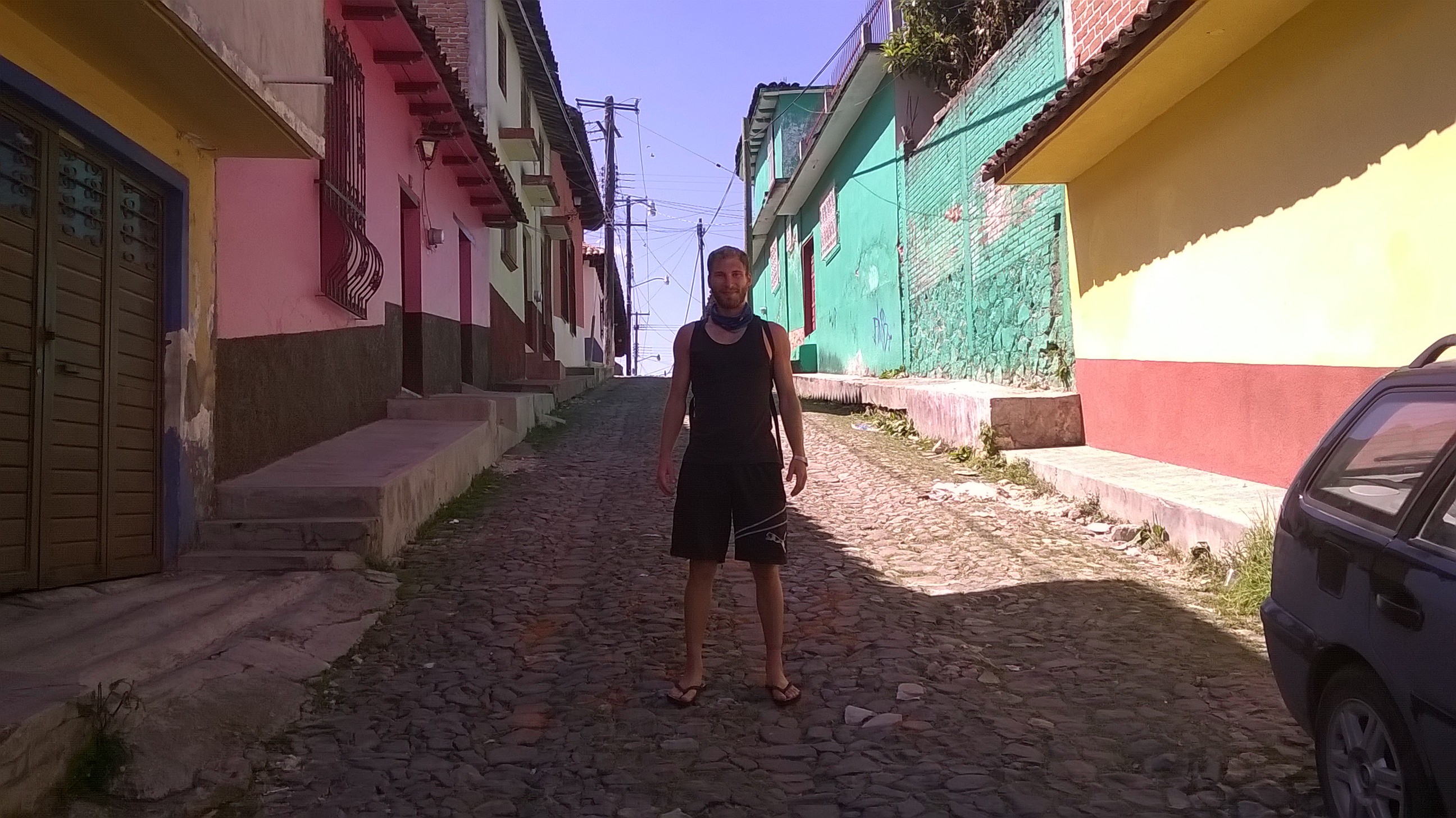
San Christobal: The most authentic Mexican City?

WP_20141112_12_30_55_Pro

In contrast to Puerto Escondido I arrive recovered in San Christobal. From the local busstation I first go my hostel and can lionize the beauty of San Christobal on the way. Sometimes you can feel from the first moment that the place is a city you will love and definitely San Christobal is such a city. The city is not so hot like the beach cities on the Yucatan Island but still hot enough.

San Christobal Street

San Christobal in a short view:

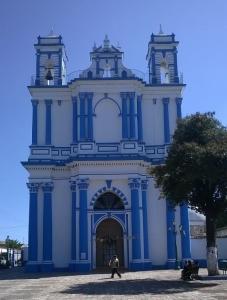
The city consists of many colourful houses and churches like the blue church. On two sides you can see a church on a mountain and the whole city is surrounded by forests and mountains. The center is not very big and you can walk easily around. It has two streets without any cars but instead many bars, restaurants and shops. It is famous for the beautiful churches the indigenous markets, mountains with cactus and the good vibe.

A church in San Christobal

WP_20141112_10_36_14_Pro-227x300

Whats to do in San Christobal?

  • Canyun de Sumidero in Chiapas de Corzo
  • Churches in San Christobal
  • San Juan Chamula (Church and graveyard including locals who perform Maya rituals)
  • Local Markets with fruits, local food and local cloth
  • Party in the bar Revolution
  • Eat Tacos on the streets
  • Learning Salsa in a school or in a bar

And finally some impressions:

Blue Church San Christobal

Car accident on the Highway


With boat in the Canyon

Old Maya Village: San Juan Chamula

Environment of Maya village

Cooking with friends in the best hostel Posada del Abuelito

I really loved San Christobal however it is time to say again: Next stop….

Palenque and Tulum!


The most famous ruins of Mexico and Tulum

Reading Time: 3 minutes

After a night bus journey, as so often, there are many organizational things to do, where can I leave my luggage, where can I get food and where is the transportation to the next place. Then it goes directly to the Maya ruins which are in the jungle and located on hills. The atmosphere is completed by monkeys which screaming in the jungle. From the high ruins I have a good view over a green countryside. However it is quite tough to walk steps up and down. The rest of the day I spend in Palenque because after raining the whole night, the waterfall “agua azul” is not blue any more. Palenque itself is not beautiful but sometimes everyone needs a rest. Nevertheless one highlight is a Mexican graveyard which is completely different to Europe. Mexicans celebrate death and drink with the dead people. Therefore the graves are colourful and you can find food and beer on the graves.

Tulum:

On the first view there is nothing special in Tulum, it is more or less a touristy main road. However there are many activities and day trips you can do in its environment. Thus it is not as bad as it sounds. The people are relaxed and the beach which is next to the local Maya ruins is beautiful like the ruins itself. If you want to see Caribbean beaches and the sea you are definitely right here. In addition there is a beach called Akumal (between Playa del Carmen and Tulum) where I swim with big and small turtles (sometimes as big as my backpack). Due to the fact that the prices for everything are really high you should bring your own equipment with you. Unfortunately, I cannot show you pictures because I do not have an underwater camera. Furthermore there are many cenotes in the area around Tulum in which you can snorkel and even dive if you have a licence. What is a cenote? A cenote is a kind of cave which is flooded over the years and sometimes consists of many tunnels. I dive in the Dos Ojos cenote. Here as well, I have no pictures but I want to give you an idea: I enter a kind of cave with blue crystal clear water. I jump with my tank on the back, my googles and a neopren into the water and can feel the cold water on my skin. Everywhere the stalactites are hanging down. When I m diving I see sometimes a natural light in the end otherwise the diving lamp illuminate a magical underwater stone world which is usually quiet and dark. When I go to the surface I can hear and see bats flying around in some of the holes between. Slowly I hover over the stalamites. Definitely one of my favourite experiences so far.

Lake Bacalar: Now I m at the Lake Bacalar. For sure it is worth to make a quick stop there. The lake consists of seven colours. You can go diving, snorkelling or swimming there as well. It is my last stop before I leave Mexico. Hopefully without any problems because some days ago during a police control at night I realized that I am illegal in Mexico having no stamp and no arrival card (Crossing border in Tijuana through a metal gate without any control). Thus I expect many troubles at the border. I will let you know how it is going on with me.


Illegal in Mexico: Stories from Borders

Reading Time: 3 minutes

The next morning I wake up very early and take the next taxi collectivo to the Belize border. I expect a long, adventures day. The reason is some nights ago the police stopped the bus and checked the passports. In this moment I realized that they wanted to see a stamp and the arrival card in my passport which are not existing because I got nothing at the border from San Diego to Tijuana. I had big luck because they forget me on the way out. Otherwise …. I did some research and it seemed that I m not the only one who has no stamp. However there was a story in the Australian news about a girl who was in the same situation and must stay 10 days in prison. Despite this story I am optimistic that I can handle it. Expecting a long waiting time to cross the border, I cannot take a direct bus to Belize. Thus I walk to the border and should pay 100$ to the border control which I refuse. After discussions I can go without any stamp to Belize. It is still raining and I m a little bit sceptical. This was too easy. At the border in Belize they refuse me because I cannot enter their country without a stamp from Mexico. There is no space for discussions and I walk back to Mexico. My mood is now like the weather. I can see that the border control has already expected me. I continue my discussion. Finally after waiting one more hour the supervisor gives me the required exit stamp without paying any money. Then the entrance in Belize is very easy and I travel through Belize at the same day.

Unfortunately I do not have time to get money from the ATM because the buses always leave when I arrive. Using my last Mexican Pesos I have changed at the border in Belize Dollar and US Dollar from the States I can pay at least the buses. True, I could stay one night to get money and food but the places I have been in Belize are not very pleasant. By the way Belize city is not very beautiful and although the country is poor, everything is quite expensive. In Belize the local buses are old School buses from the US which has the disadvantage of small seats. Without any money, some water and no food the long day continues. In the late afternoon I arrive at the last town in Belize before the border to Guatemala. I must walk 3 km to reach the border.

Shortly I want to describe my situation: I m tired, hungry and I m not sure where I will sleep because in the last hostel the internet did not work. Nevertheless I m excited as always when I m at a border and travel to a new country. I try to hitch-hike to the border but nobody wants to give me a lift without money. Some people call Belize also the One-Dollar country because many people come and ask for one dollar. When I arrive at a little hill some pupils sitting on their bmx bikes look at me like an alien and shout they will give me a lift. Not taking them serious I continue. In fact 200 m later they stop beside me and offer me a lift. With some doubts I accept and it goes to the border sitting on the back of a small bike with my big backpack and a small one in the front. It must look very funny. At this point: “muchas gracias chicos!” I crossed the border without paying the unofficial “processing fee” of 15€. In Guatemala many things are easier and I m excited what new adventures expect me in this country.